Volume 8, Issue 11 - December 2025
|
That's a Wrap
By: Bryan Pilkington, PhD
|
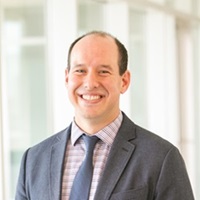
This issue of The Academy marks the end of the year and the completion of the first year of our publication (under its new name). As Editor-in Chief, I am grateful for the excellent work of my managing editor, Yvonne Kriss, and the guidance and leadership from the Board of the APHC; I’m most grateful for contributions from all of those who have submitted articles. It is not easy to put pen to paper or finger to keyboard amid the host of demands of a busy professional life and I appreciate the submissions – even those that were not published – and the time it took to write them. Our conversations about healthcare professionalism have been rich, engaging, and forward-looking; all thanks to the work of the authors.
We close out 2025 with three articles, and the usual announcements from members and goings on about the professionalism town. In our first article, we have the much awaited final installment of Fred Hafferty’s Swick Test series. In this last installment, he discusses the results! I am eager to learn how readers received this series, so please feel free to write in – both short comments and letters to the editor are most welcome.
There was quite a bit of interest in Halle Ellison and Susan Parisi’s article, which appeared last month. Their work was also discussed in their recent roundtable, and given all the buzz, we were happy to accept a thoughtful reflection on coaching and professionalism, authored by Kate Noonan and Sylvia Botros-Brey. As a fan of the New York Mets, I’m always interested in good coaching and where it can be found.
Our final article is our customary editor’s conference recap. The APHC’s November virtual conference was yet another spectacular set of conversations – with excellent presentations, helpful networking, and a few good plenary talks. If you missed it or wish for a (somewhat biased and fairly selective) recap, please check out this article on conference highlights.
Best wishes from all of us at The Academy for enjoyable holidays and a healthy start to the new year.
Until January…
Bryan Pilkington, PhD, is Professor of Bioethics, in the Department of Medical Sciences, at Hackensack Meridian School of Medicine, and the Editor-in-Chief of The Academy: A Forum for Conversations about Health Care Professionalism.
|
The Swick Exercise:
Part 5: Discussion
By: Frederic W. Hafferty, PhD
|
The Swick Exercise, although originally conceived solely as a class exercise for early first year medical students, has shed important light not only on the challenges of teaching professionalism but also as to the integrity of the profession itself. After two decades of use across diverse healthcare audiences, the exercise reveals a fundamental tension between institutionally prescribed professional values and the lived realities of those entering or practicing within these professions. This discussion explores why such an exercise matters, what its findings suggest about professional formation, and how it might be adapted beyond healthcare.
The Swick Exercise as an Epistemological Wormhole
At its core, the Swick Exercise functions as an "epistemological wormhole” and thus a tunnel between potentially contrasting belief-systems (Wynia et al 2014) where different constituencies within medicine may simultaneously hold both aligned and countervailing perspectives on what it means to be a profession and a professional. The exercise allows educators to “run” their assumptions about what learners believe (or what they think students should believe) against their actual perspectives. In doing so, the exercise also challenges faculty to recognize the ever-present tensions between the formal (what faculty intend to teach) and other-than-formal (including hidden) learning that takes place within the multiple learning environments that make up medical education (Hafferty 1998). The exercise's power lies not in its psychometric properties, but in its capacity to make visible the often-invisible tensions learners experience when presented with professional orthodoxies. By combining forced rankings with the opportunity to rewrite problematic items, the exercise highlights both alignments and divergences.
In the data presented earlier, we saw both consensus and discord. Students consistently rank three behaviors highly (ethical and moral standards, humanistic values, and excellence) while rejecting or substantially modifing the altruism imperative (“Physicians must subordinate their own interests to the interests of others”) as well as core aspects of professional self-regulation (“Physicians must hold colleagues to professional standards, and report those who fail to uphold those standards”). Taken as a whole, faculty might feel simultaneously reassured and troubled, which is the point of the exercise. How then might we best address both sides of this professionalism coin without concurrently praising what we (as faculty) like while condemning the other. As particularly evident in the rewrites, what this exercise reveals is not students as recalcitrants, or as-yet-to-be-adequately-socialized resistors, but rather engaged and reflective learners who have much to say about a profession that embodies enduring truths as well as orthodoxies that require modification. Indeed, many of the rewrites demonstrate not only alternative ethical reasoning, but also what students saw as exploitation masquerading as virtue.
Adaptability Across Pedagogical Contexts
The exercise's structure, normative statements, forced ranking, and principled rewriting, is readily exportable to a variety of professional domains. The key is to allow traditional professional ideologies to be revisited, reimagined and (possibly) reformulated. In traditional hidden curriculum language the exercise helps to explore potential differences between “the talk” and “the walk,” between what is claimed versus what is enacted, between policy and practice, between the classroom and the clinic. The exercise, from a hidden curriculum perspective, shines a critical light on the epistemic authority of the formal over the other-than-formal ways of knowing. For other health occupations this might reside in the tensions between their own professionalization aspirations versus a workplace where traditional patterns of hierarchy, social stratification, and power remain entrenched. Beyond professional schools, the exercise format could illuminate issues of organizational culture where its ranking-and-rewriting methodology might allow exploration of how employees come to perceive what the organization states as its core values.
Pedagogical Implications
The exercise's effectiveness also depends on its rapid feedback loop, thus turning “mere” information gathering into dialogical pedagogy, something akin to what Mezirow (1978) terms "perspective transformation.” The importance of rapid feedback aside, particular revelations often are tied to the object group in question. The exercise’s first audience, first-month medical students, were in a liminal and formative space, being post-selection and quite early in their identity-formative processes. For them, the exercise might serve as an early warning system, identifying potential sources of cynicism or moral distress before they calcify into a dysfunctional form of professional armor. Analogous transitional moments occur not only throughout MD training, but for other health occupations as well. Nonetheless, it also is important to note that similar ranking and rewrite findings have been seen with more advanced trainees and seasoned practitioners, thus underscoring the possibility of more broadly located, or even systemically embedded, tensions.
The exercise’s use of forced ranking, while sometimes criticized as artificial, can counter the "everything is important” refuge when it comes to issues of culture and values pre-defined with the adjective “core.” By requiring discrimination, the exercise also mirrors the real-world necessity of moral triage and thus the real-world presence of competing values under conditions of ambiguity.
Limitations and Potentials
While the Swick Exercise is notable in its combination of ranking and rewriting professional behaviors/values, it is not without limitations. Its current focus on individually framed behavioral statements, while generating group responses, may inadvertently reinforce the individualization of professionalism criticized by Hafferty (Global Forum 2014; Hafferty et al., 2020). Future iterations, therefore, might include system-level statements about profession-level obligations. In doing so, we might better capture the tensions between medicine as-a-profession versus the restructuring of its work by other interests including an ever evolving (e.g., private equity) corporate presence.
The exercise's revelatory power also can diminish with repeated exposures or if it becomes routinized into educational orthodoxy, which is an omnipresent threat for something (professionalism) that traffics in labeling things as “core.” Ultimately, the exercise’s effectiveness depends on its capacity to surprise and its embrace of agency and the spirit of co-production, and to (hopefully) reveal what educators didn't know they didn't know about their learners.
Conclusion
The Swick Exercise’s twenty-year history, with its rather consistent set of rankings and rewrites, suggests less generational differences as it does a traditional professionalism framework awash with “nostalgic” versions (Hafferty & Castellani 2010) of what it means to be a good doctor. In this respect, one of the challenges facing professionalism today is that we may be reaching uncritically into a past to solve the professionalism challenges of tomorrow. Nostalgia aside, the Swick Exercise matters because it operationalizes a fundamental insight: professional formation, as a pedagogical objective, requires understanding where learners stand. In this way, the exercise embodies a certain pedagogical humility. It acknowledges that education is a two way street, that educators have as much to learn from their trainees as they from them, and that professional wisdom emerges not from doctrinal insistence as from genuine dialogue across generations, experiences, and perspectives.
REFERENCES
Global Forum on Innovation in Health Professional Education; Board on Global Health; Institute of Medicine. Establishing transdisciplinary professionalism for improving health outcomes: Workshop Summary. Washington (DC): National Academies Press (US); 2014 Apr 7. 2, Understanding Professionalism. Available from: https://www.ncbi.nlm.nih.gov/books/NBK216348/
Hafferty FW. (1998). Beyond curriculum reform: confronting medicine's hidden curriculum. Acad Med;73(4):403-407. doi:10.1097/00001888-199804000-00013
Hafferty FW, Castellani B. (2010). The increasing complexities of professionalism. Acad Med;85(2):288-301. doi:10.1097/ACM.0b013e3181c85b43
Hafferty FW, O'Brien BC, Tilburt JC. (2020). Beyond high-stakes testing: Learner trust, educational commodification, and the loss of medical school professionalism. Acad Med;95(6):833-837. doi:10.1097/ACM.0000000000003193
Mezirow, J. (1978). Perspective transformation. Adult Education, 28(2), 100-110. https://doi.org/10.1177/074171367802800202.
Wynia MK, Papadakis MA, Sullivan WM, Hafferty FW. (2014). More than a list of values and desired behaviors: a foundational understanding of medical professionalism. Acad Med; 89(5):712-714. doi:10.1097/ACM.0000000000000212
Frederic W. Hafferty, PhD is a medical sociologist and Senior Fellow, Accreditation Council for Graduate Medical Education.
Back to Table of Contents
|
Fostering Partnership and Responsibility: Advancing Leadership, Insight, Growth, and Nurturing in Healthcare through Coaching
Reflections on the October 2025 Roundtable
By: Kate Noonan and Sylvia Botros-Brey
|
At the October 2025 roundtable led by Dr. Halle Ellison and Dr. Susan Parisi—titled Advancing Leadership, Insight, Growth, and Nurturing in Healthcare through Coaching—participants explored a collaborative strategy that highlights shared accountability and mutual respect at both the personal and organizational level when addressing unprofessional behavior in healthcare settings[1].
Health care workers report experiencing varying unprofessional behaviors in the workplace on a monthly basis[1]. These unprofessional behaviors can have far-reaching consequences, impacting not just those directly involved but also bystanders, learners, staff and ultimately patients [2]. Such behaviors manifest in many ways, and while it’s important to recognize and address them, it is also important to recognize that unprofessional behaviors are often connected to several factors, one of which is burnout. Effectively addressing these behaviors requires examining the link between burnout and professionalism. Burnout-driven behaviors can be harmful, straining relationships and undermining the broader organizational culture. While conventional resources like HR, institutional policies, and regulatory compliance are necessary, they alone do not build a culture of growth and collective responsibility.
Unprofessional behaviors resulting from burnout often stem from both interpersonal issues and organizational factors [3]. Recognizing that unprofessional behaviors can stem from both individual factors and organizational or systems factors, leads to alternative solutions beyond traditional methods that could benefit both individuals and the broader institution.
A valuable, relationship-based solution involves identifying the root causes of inappropriate behavior—such as burnout—and dealing with them through individual and systemic solutions. Drs. Ellison and Parisi have created a voluntary professional peer coaching program launching at Geisinger College of Medicine in January 2026. This initiative focuses on building relationships and mutual accountability, empowering participants to take ownership of their learning and development, while prompting organizations to support resilience and ongoing growth. Leadership support is an important aspect because it may offer a growth-oriented approach to handling unprofessional behaviors at the individual and organizational level.
The coaching program described adopts a developmental mindset: instead of focusing on blame, it promotes understanding and constructive personal growth, recognizing that organizational dynamics often contribute to problematic behaviors, especially under stress. Encouraging both personal and shared responsibility, the program aims to foster a positive and supportive environment for healthcare workers. By framing unprofessional behavior as an opportunity for mutual growth, healthcare professionals are encouraged to reflect on their actions and the broader organizational context that may contribute to such conduct. This collaborative stance highlights that addressing unprofessional behaviors is not solely an individual's responsibility, but a collaborative endeavor requiring ongoing engagement from individuals and the organizations they serve.
Professionalism extends well beyond the self—it is rooted in relationships with colleagues and, most importantly, with patients. Utilizing peer coaching as a mechanism for responding to unprofessional behaviors emphasizes growth for individuals, teams, and the institution at large. As Ellison and Parisi note, benefits include enhanced relational and leadership skills, reduced burnout and errors, fewer legal challenges, lower organizational costs, and better patient experiences and organizational reputation. Understanding what drives unprofessional behaviors, how it starts, and ways to improve fosters improvements for patient care, colleagues, the organization, and individual practitioners in a sustainable manner.
Working together as active partners to address concerns like health professional burnout and unprofessional behaviors promotes growth for both individuals and institutions. Additionally, individuals who may have exhibited unprofessional behavior are treated with respect throughout the coaching process and are encouraged to contribute positively to their own development. Coaching supports these individuals in gaining greater self-awareness, recognizing their responses to stress, understanding their influence on workplace culture, and considering how their environment affects their actions. Leaders and organizations also gain valuable insights from this process, driving positive change across the system.
In conclusion, the professional coaching approach developed by Drs. Ellison and Parisi underscores the significance of partnership—involving both the individual exhibiting the behavior and a peer coach—in managing unprofessional behavior. It urges healthcare professionals and institutions to move from reactive responses to proactive strategies that cultivate learning, resilience, and shared responsibility, ultimately creating a healthier and more supportive workplace for all.
REFERENCES
- Dabekaussen KFAA, Scheepers RA, Heineman E, et al. Health care professionals' perceptions of unprofessional behaviour in the clinical workplace. PLoS One. 2023;18(1):e0280444. Published 2023 Jan 19. doi:10.1371/journal.pone.0280444.
- Jo Shapiro. Confronting unprofessional behaviour in medicine. BMJ 2018;360:k1025. doi: 10.1136/bmj.k1025 [DOI] [PubMed] [Google Scholar].
- Karen B Kent, Ron Z Goetzel, Enid Chung Roemer, Alissa Wong, Burnout among health care workers: unavoidable and solvable, Epidemiologic Reviews, Volume 47, Issue 1, 2025, mxaf005, https://doi.org/10.1093/epirev/mxaf005.
Kate Noonan, PhD, is Assistant Dean for Student Affairs and Clinical Assistant Professor at the University of Maryland School of Dentistry, as well as Co-chair of the Academy of Professionalism in Health Care Education Committee.
Sylvia Botros-Brey, MD, MSCI, is a Professor, Professor
Departments of Urology, OB/Gyn & Medical Education, and
Associate Dean For Faculty l Office For Faculty, Executive Director, Academy of Educational Scholars, at Joe R. & Teresa Lozano Long School of Medicine.
Back to Table of Contents
|
The November Conference: Professionalism in a Time of Change
By: Bryan Pilkington, PhD
|
This article is a brief recap of APHC’s recent conference. The conference which took place virtually last month was another success for the organizers, to whom we all owe much gratitude. Dr. Elizabeth Kachur, Dr. Mary Horton, and Dr. Amal Khidir did another spectacular job, pulling together a host of interesting presentations, keynote addresses, and framing the overall discussions well with both opening and closing sessions. The theme of the conference, Professionalism in a Time of Change, engaged physicians, educators, students, change management experts, and all sorts of practitioners who are interested in healthcare professionalism. I had the honor of attending the conference both as a presenter and, more relevantly, as Editor-in-Chief of The Academy. The opportunity to report on these conferences is a joy, as it gives me time to reflect on the new work of our colleagues interested in professionalism and share a bit about my favorite sessions (with apologies to those that I do not highlight and the usual disclosure that I am as conflicted and biased as the next editor with respect to my preferences about good conference topics and presentations).
Attendees of Professionalism in a Time of Change were treated to four to five concurrent sessions of excellent talks, a keynote on change, a symposium about change triggers, and a game! The organizers managed to interweave networking sessions, as well as opening ice breakers/warm ups and closing reflections. For my money, the best session at the conference was the debate on private equity in medicine. The session had a pleasant and collegial tone, and so less of a debate and more of a conversation, but the topic – a pressing issue for healthcare professionals – was covered extremely well and its implications for professionalism were made quite clear. Kudos to Jayne Marie Muoio, Tina Takla, Brenda Ramos, and Vijay Rajput for this terrifically interesting – even if a bit disheartening – session. If you missed it, check out the recording of Private Equity in Healthcare: Efficiency or Erosion of Professionalism? Conversations in the Q&A and in the chat throughout the presentation raised questions about the role of private equity in healthcare and whether health professionals could maintain professionalism in the face of it; harkening back to analyses of the rise of professions, like that of Paul Starr’s sociological history of medicine, this robust conversation is one that ought to be revisited. Another great presentation (and one which Vijay Rajput’s finger prints were again all over) was a talk by Jane Montague on the differences between ethics and the law when thinking about physician interventions in emergencies. Montague’s work, supported by Rajput and Lauren Fine, is also well worth revisiting. Attendees could also hear Milan Kharel on the NHS, Asia Bright on communication, PIF, and professionalism, and a great symposium on change triggers with Gabrielle Silveira leading off and followed by Sarah Siddiqui, Victoria Brehm, and Reyhane Golfab. So much great content that anyone who is not yet a member might join just for access to the conference recordings! The conference closed with the big announcement that the International Hybrid Conference, taking place in June, will be held at Cooper Medical School of Rowan University!
Bryan Pilkington, PhD, is Professor of Bioethics, in the Department of Medical Sciences, at Hackensack Meridian School of Medicine, and the Editor-in-Chief of The Academy: A Forum for Conversations about Health Care Professionalism.
Back to Table of Contents
|
APHC Roundtable
Friday, December 12 at 3 p.m. ET
|
Professionalism Ambiguity and Tensions with Dr. Cheryl Dickson and Dr. Lia Logio
This session examines four key ambiguities and tensions in health professions education, encouraging participant dialogue around the following “noble” goals:
- Professionalism and students — challenges with technology that limit clinical engagement (the EHR, iPatient) now eroding critical thinking skills due to AI generated thought and problem solving; less emphasis on contact with patients- including deep authentic human communication and building the therapeutic bond.
- Advent of change with DEI- evidence base of health disparities including root causes of some of those disparities but elimination or blurring of DEI/racism in medicine.
- Wellness as part of training has value but how does "self-care" balance with the value of altruism and empathy; sometimes terms are weaponized without recognizing Yes, AND.
- Patient safety and do no harm must coincide with psychological safety of giving effective feedback that can be received and valued/enacted on versus triggering learners. Another Yes, AND.
Join Dr. Cherly Dickson and Dr. Lia Logio and for a dynamic session where participants are invited to consider how best to navigate these ongoing tensions in health professions education.
Register at: https://bit.ly/APHCRoundtables
Dr. Cheryl Dickson is the Associate Dean for Community Education and Engagement, and Professor in the Department of Pediatric and Adolescent Medicine at Western Michigan University Homer Stryker M.D. School of Medicine. She is Board Certified in Pediatric Emergency Medicine. She is a graduate of Brown University with a BA in Human Biology (with Honors) in 1976. She earned her MD from the University of Medicine and Dentistry of New Jersey - New Jersey Medical School in 1980. She completed her Residency in Pediatrics also at the University of Medicine and Dentistry of New Jersey - New Jersey Medical School and Children's Hospital of New Jersey in 1983. She went on to do her Fellowship in Adolescent Medicine at the University of Medicine and Dentistry of New Jersey - New Jersey Medical School and Children's Hospital of New Jersey in 1984.
Dr. Lia Logio, MD, MACP, is a distinguished leader in medical education and internal medicine. She currently serves as the Vice Dean for Medical Education and holds the esteemed position of John L. Caughey Jr MD Professor of Medicine at Case Western Reserve University School of Medicine in Cleveland, Ohio.
Roundtables are for APHC Members only.
Check out our membership benefits here.
Join APHC to access previous Roundtable recordings.
Back to Table of Contents
|
Healthcare Professionalism: Education, Research & Resources Podcast
|
Professional Formation and APHC collaborate on a podcast, Healthcare Professionalism: Education, Research & Resources.
Over 125 podcast episodes have been released with over 17,000 downloads.
Released every other Saturday morning, recent episodes include Rachel Pittmann discussing Telehealth Etiquette and Amal Khidir talking about Designing the Faculty Development Professionalism Program with Multi-cultural Perspectives.
You can access the podcast episodes on your favorite platform or at: https://bit.ly/PF-APHC-Podcast
Back to Table of Contents
|
APHC Member Announcements
|
APHC Member Sofica Bistriceanu was recently listed in Witchy Spells as one of 5 Female Leaders Making a Global Impact in Business. Read article here ➜
If you are an APHC member, we will publicize your events, job searches, research, grants, articles, podcasts, books, etc., in the newsletter.
Back to Table of Contents
|
As a member, you have access to special benefits that include:
- Belonging to a community of like-minded professionals
- Participating in the monthly Professionalism Education
Roundtables with authors, faculty, and researchers, plus accessing past recordings
- Accessing 15 Professional Formation modules for individuals for free
- Enrolling in the APHC Faculty Development Certificate program known as LEEP (Leadership Excellence in Educating for Professionalism), which was launched in 2020 and offers longitudinal mentoring for a select group of
individuals seeking to deepen their knowledge and skills in
professionalism education, assessment, and research
- Posting your research, articles, podcasts, webinars, conferences, and books in the newsletter distributed to about 15,000 people
- Receiving a 20% discount on educational videos created by the Medical Professionalism Project, which also allows you to obtain MOC and CME
- Registering for APHC conferences with discounts
- Participating in APHC committees, which include the conference program, membership, and education committees
Our annual membership fees are very inexpensive and are valid for one year from the payment date. Select from seven types of membership, including the institutional membership for four people. See the descriptions.
Back to Table of Contents
|
The Academy Newsletter Editors
|
Editor-in-Chief: Bryan Pilkington | Managing Editor: Yvonne Kriss
Please contact Yvonne if you'd like to contribute an article to this newsletter.
If you know someone who would benefit from reading Professional Formation Update, please pass this along. They can subscribe to the newsletter by clicking here.
|
Academy for Professionalism in Health Care
PO Box 20031 | Scranton, PA 18502
|
Follow us on social media.
|
|